
Spring Health: A TCM Guide to Liver Balance, Growth, and Seasonal Reset
The Season of Spring: Through a Traditional Chinese Medicine and Biomedical Lens
Discover how spring affects your body through Traditional Chinese Medicine (TCM) and modern science. Learn how to support liver health, reduce stress, and restore balance with simple nutrition and lifestyle practices.
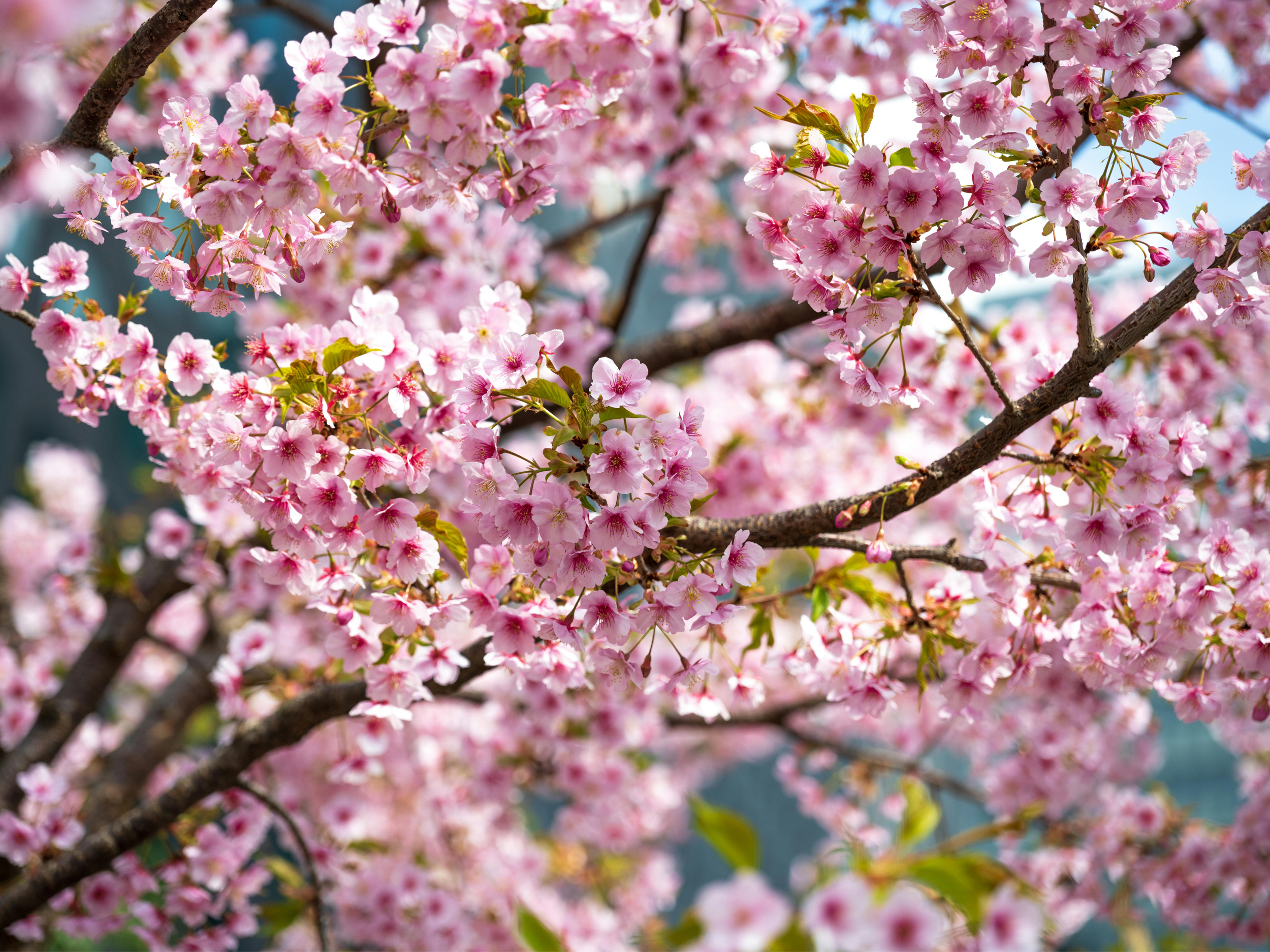
There’s a moment every year when everything begins to move again. The light lingers longer. The air softens. Cherry blossoms begin to bloom. And almost quietly, your body starts to shift with it.
In TCM, spring is governed by the Wood element. This is the energy of growth, direction, and expansion. It’s the same force that pushes a sprout through soil or stretches branches toward the sun.
It’s not aggressive. It’s persistent.
And whether we notice it or not, our bodies respond to this seasonal shift in very real, physiological ways. With more daylight, our circadian rhythm adjusts. Hormones begin to rebalance. Energy that felt stored or slowed during winter starts to move again.
Which is why spring often feels like a mix of motivation… and mild chaos.
The Intelligence of Growth
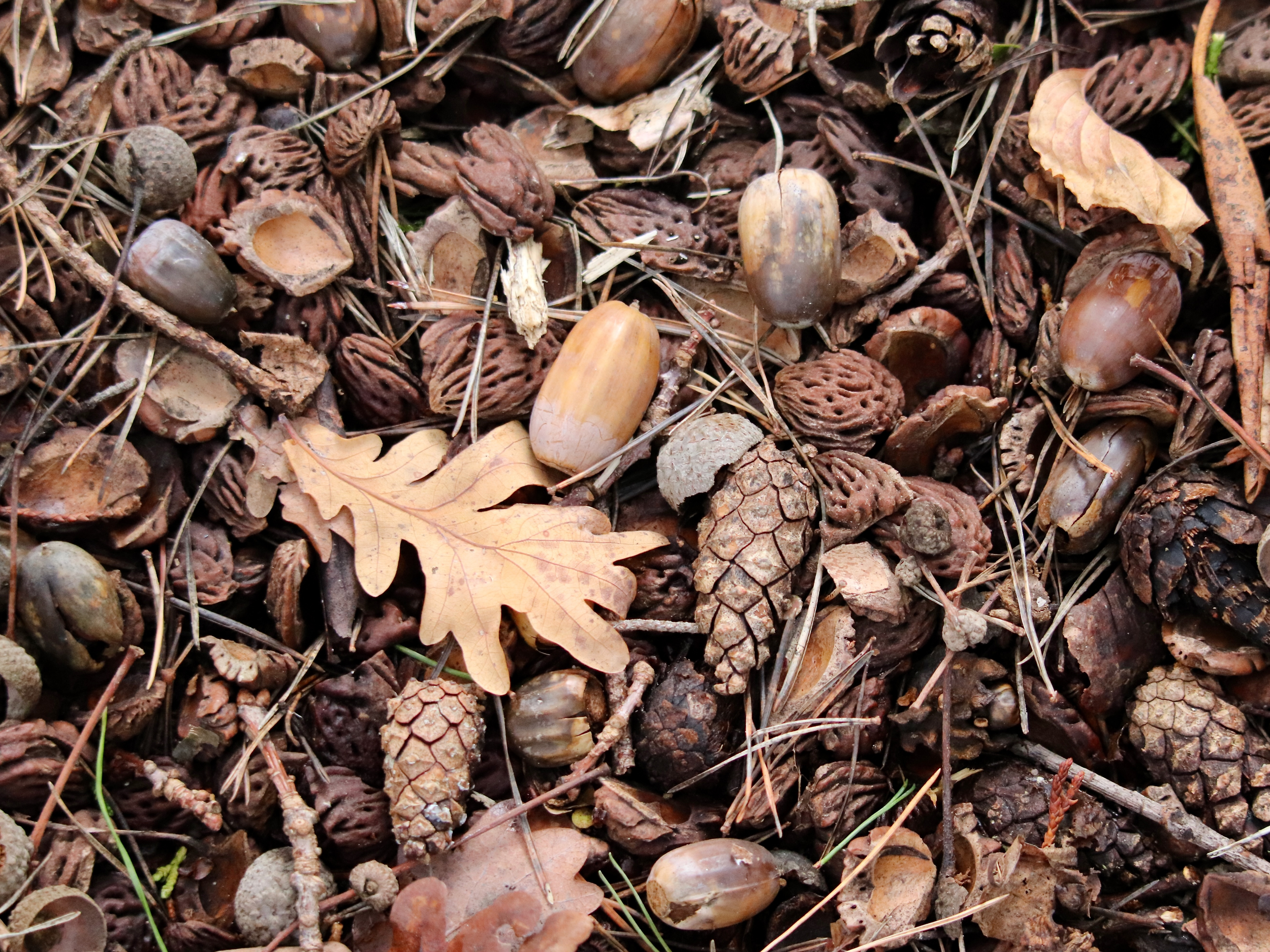
There’s a concept in TCM that describes growth through the image of an acorn.
The acorn already knows what it’s becoming. It doesn’t question whether it’s capable of becoming an oak tree. It simply grows, adapting around obstacles, changing shape when needed, but always moving upward.
This is the nature of the Wood element.
It represents vision, flexibility, and forward movement. Not rigid growth, but intelligent growth.
In modern terms, this is also the time of year when we feel a natural increase in drive and motivation. Neurochemically, this is supported by shifts in dopamine and serotonin as light exposure increases. Circulation improves. The body comes out of a more “conserved” winter state.
So if you feel the urge to reset, plan, or make changes, this isn’t random. It’s seasonal biology.
Your Internal Strategy Team: The Liver and Gallbladder
In TCM, spring is closely tied to the Liver and Gallbladder systems. These aren’t just physical organs, they represent functional systems that influence how your body moves, how you process emotions, and how you think and make decisions.
This is why you might notice physical tension, emotional frustration, and mental indecision showing up at the same time, they’re all connected. This reflects how closely the nervous system, hormones, and physical tissues are interconnected. When one area is under stress, it often shows up across multiple systems in the body.
The Liver is often described as the planner. It’s responsible for the smooth flow of energy (Qi) throughout the body and helps us feel organized, directed, and mentally clear.
The Gallbladder is the decision-maker. It helps us take action without overthinking or second-guessing. Giving us the ability to act on those plans with confidence.
When this system is working well, you feel like yourself. You can make decisions, adapt to change, and move forward without overthinking everything. When it’s not, things feel… off. You might feel stuck but restless at the same time. You know what you should do, but can’t seem to follow through. Small things become irritating.
From a biomedical perspective, this actually lines up quite well. The liver plays a central role in hormone regulation, detoxification, and nutrient storage. It’s also deeply affected by stress through the nervous system. The gallbladder supports fat digestion and metabolic signaling through bile release.
So when TCM talks about “Liver Qi stagnation,” it often overlaps with what we might describe as stress physiology, reduced circulation, or metabolic sluggishness.
Why Spring Can Feel Frustrating
One of the most important things to understand about spring is that the primary emotion associated with the Wood element is frustration and anger. Not because something is wrong but because something is trying to move.
In TCM, anger is understood as an upward-moving force. It causes energy to rise. That’s why frustration can feel like pressure in the chest, tightness in the neck and shoulders, or the sudden urge to raise your voice. A balanced Wood system allows for healthy expression. You can set boundaries, speak clearly, and take action.
An imbalanced one feels like pressure without direction. Energy builds, but it doesn’t have an outlet. Spring doesn’t create this feeling. It simply makes it more noticeable.
You may also notice more tension through the ribcage or sides of the body during this time. Gentle stretching, deep breathing, and opening through the chest can help support the natural movement of energy in the body.
Why Your Body Feels More Sensitive in Spring
Spring is naturally a windy season, something we all experience and in TCM, this movement is understood as a key environmental influence on the body. Wind represents movement and change. It’s why spring weather is unpredictable, and why our bodies can feel a bit the same way.
This is often the time when people notice things like seasonal allergies, headaches that come and go, or symptoms that feel inconsistent. This aligns with shifts in the immune system and increased histamine responses during seasonal transitions. The body is adjusting, and sometimes that adjustment isn’t perfectly smooth.
What the Wood Element Controls in the Body
The Wood element is closely connected to certain tissues and sensory systems.
The eyes are one of them. In TCM, the Liver “opens into the eyes,” meaning vision health is tied to this system. Dryness, floaters, or eye fatigue are often seen as signs that the system needs support. Biomedically, this connects to circulation and nutrient delivery to the eyes.
The sinews meaning fascia, tendons, and ligaments are also governed by the Wood element. When this system is balanced, movement feels smooth and coordinated. When it’s not, you might notice tightness, stiffness, or a feeling of instability in the body. Modern research on fascia shows how dependent it is on hydration, circulation, and movement.
Nails are another reflection. In TCM, the quality of the nails reflects the quality of the blood. Brittle or dry nails may point to deficiency. In biomedical terms, this can relate to nutrient status, particularly iron, protein, and certain vitamins.
Why Sleep Timing Matters More Than You Think
In TCM, there’s a concept called the “organ clock,” which maps different systems in the body to times of the night and day. You don’t need to memorize it but understanding the idea can be helpful.
Late at night, roughly between 11 pm and 3 am, the body shifts into deeper phases of repair and regulation. This is when processes related to detoxification, hormone balance, and tissue recovery are more active.
If you’re regularly awake during this window, it can be a sign your system is under stress or not fully settling into rest. People who have trouble falling asleep often describe racing thoughts or decision fatigue. Others wake up in the middle of the night and can’t get back to sleep.
From a biomedical perspective, this aligns with how sleep cycles regulate hormones like cortisol and support liver metabolism. So while the exact “clock” may sound unfamiliar, the principle is very real: your body does its best repair work when you’re actually asleep.
How to Support Your Body in Spring
Spring isn’t about extreme detoxes or overhauling your entire life in one week. It’s about supporting movement gently and consistently.
Start with your body. Movement is one of the simplest ways to support the Wood element. This doesn’t mean intense workouts. It means walking, stretching, or anything that helps your body feel less stuck and more fluid.
Because spring is also a windy season, it’s helpful to protect the neck and upper back, especially on cooler days. This area is more vulnerable to external factors like wind, which can contribute to tension or the onset of common colds. Perhaps it's time to bring out your Parisian style, adding a scarf as both style and support?
Let your creativity bloom through journaling or creative expression whether that’s music, dancing, writing, painting, or simply spending more time outside.
Food is where TCM becomes especially practical. There’s a concept called shíliáo, or food therapy, which uses everyday foods to guide the body back into balance. In spring, we shift toward lighter, fresher foods. Think leafy greens, sprouts, herbs, and foods that feel clean rather than heavy. These support the natural upward and outward movement of the season.
A small amount of sour flavour is also helpful. Foods like lemon or a splash of apple cider vinegar can gently stimulate digestion and support liver function. From a biomedical perspective, these can help with digestive enzyme activity and bile flow.
At the same time, it’s important to nourish the body, especially the blood. In TCM, the liver relies on sufficient blood to function well. If this is lacking, you may notice fatigue, poor concentration, or physical signs like dry nails or tight muscles. Foods like dark leafy greens, beets, dates, goji berries, and well-prepared proteins help support this such as Iron, B vitamins, and essential amino acids.
Healthy fats also play an important role, particularly for the gallbladder. Including foods like olive oil, avocado, and omega-3-rich sources supports hormone balance and metabolic health. At the same time, it helps to ease up on heavier, greasy foods and excess alcohol, which can make everything feel more sluggish.
Teas can be a simple way to support this season. Peppermint, chrysanthemum, and dandelion are commonly used to help gently clear heat and support the liver. At the clinic, we often recommend blends like our in-house Beauty & Happy tea for this time of year.
And finally, don’t ignore your emotions. Frustration needs somewhere to go. That might be movement, a conversation, or simply giving yourself permission to acknowledge it. Because when energy is suppressed, it doesn’t disappear, it just shows up somewhere else.
A Final Thought
As we move into spring, it can be helpful to think of yourself as part of nature’s rhythm, not separate from it. This is a time of gentle awakening.
You don’t need the perfect routine, the perfect diet, or the perfect mindset.
You just need to start moving again.
Like the acorn, growth doesn’t require perfection. It just requires direction. Even if it’s not perfectly straight.
How We Support This at Unplug Hour Wellness
Supporting your body with hydration, movement, fresh air, and space for reflection allows for growth that feels natural, not forced. At our clinic, we focus on helping your system move what feels stuck, while also supporting what may be depleted underneath.
Through Acupuncture, TCM, Counselling and Osteopathy we work with your nervous system, circulation, and overall regulation so that growth feels more natural and less forced. Because your body already knows what to do. Sometimes it just needs a little help getting there.